
Easterseals MORC is building brighter futures for children and adults with Autism and their familes!
Easterseals MORC is embarking on an $8.2 million capital campaign to build a state-of-the-art Autism Comprehensive Care Center in Waterford, MI. The new center will offer comprehensive care improving the quality for the 3,000 children with autism currently served, while increasing capacity for children with autism and their families throughout Southeast Michigan. The building will be customized in every way to support the needs of individuals on the autism spectrum and their families. The vision we seek to create a one-stop Center of support to help individuals with autism and their families thrive is within our reach, but we need your help to make it a reality.
Help us create a sonderful world of abilities!Our Purpose Statement
To lead the way to 100% equity, inclusion, and access for people with disabilities, families, and communities.
Show Me Information For
Take A Screening!
We care about your mental health. Here is a free, anonymous mental health screening that serves as perfect check-up. This screening can be a great first step in identifying a need for services.

Get in Touch With Us!
Easterseals MORC
2399 E. Walton Blvd.
Auburn Hills, MI 48326
Phone: 248-475-6300 | 800-75-SEALS (toll-free)
If you are hard of hearing (HOH) call Michigan Relay at "711"
What's New At
Easterseals MORC



Recent Posts From
Meet the FY25 Easterseals MORC Ambassadors!
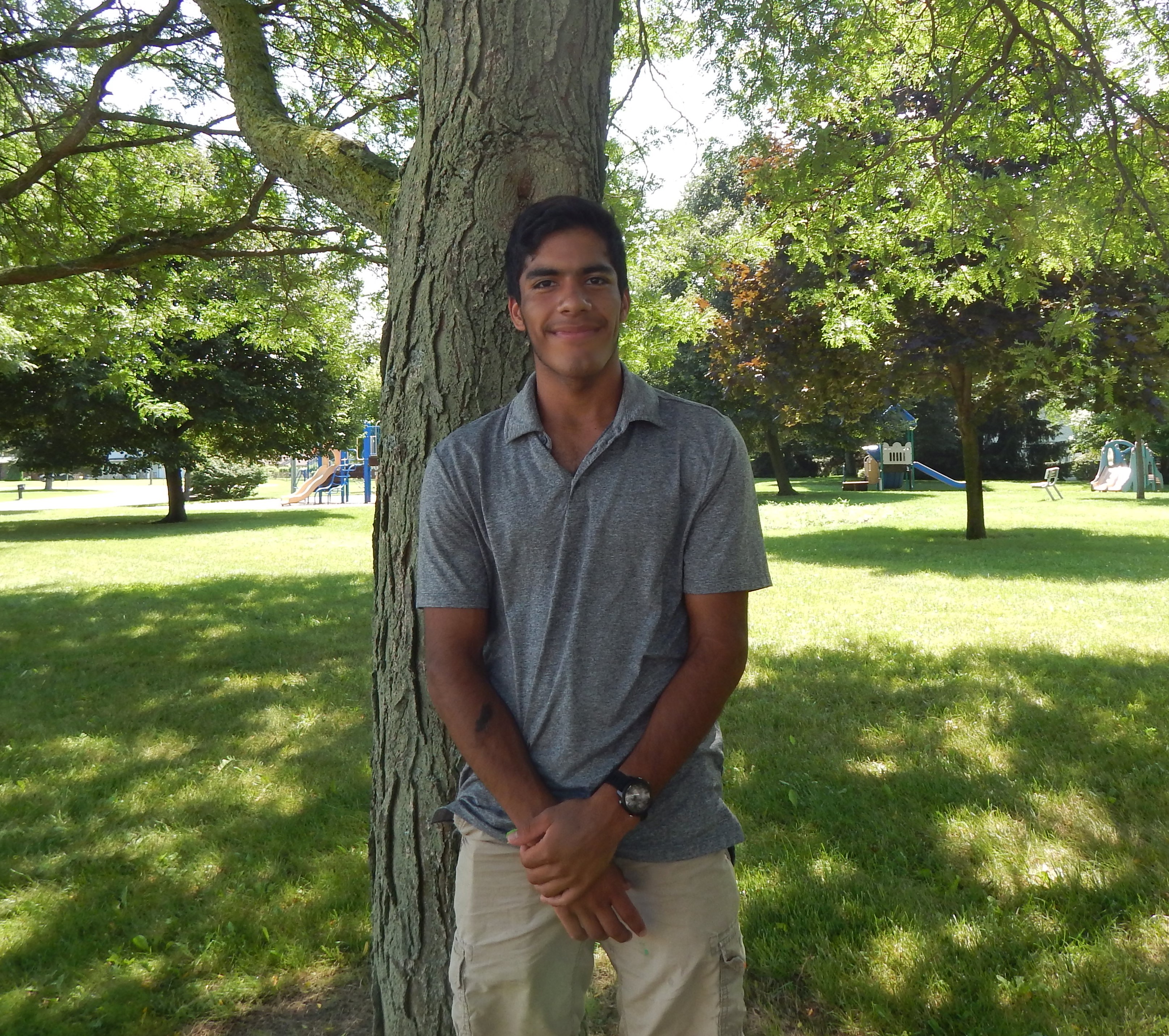
Meet Gabe
Gabe, a senior, enjoys running for his high school cross country team, playing video games, learning more about cars, and spending time with his family and friends. He is always willing to lend a helping hand and give back to his community.
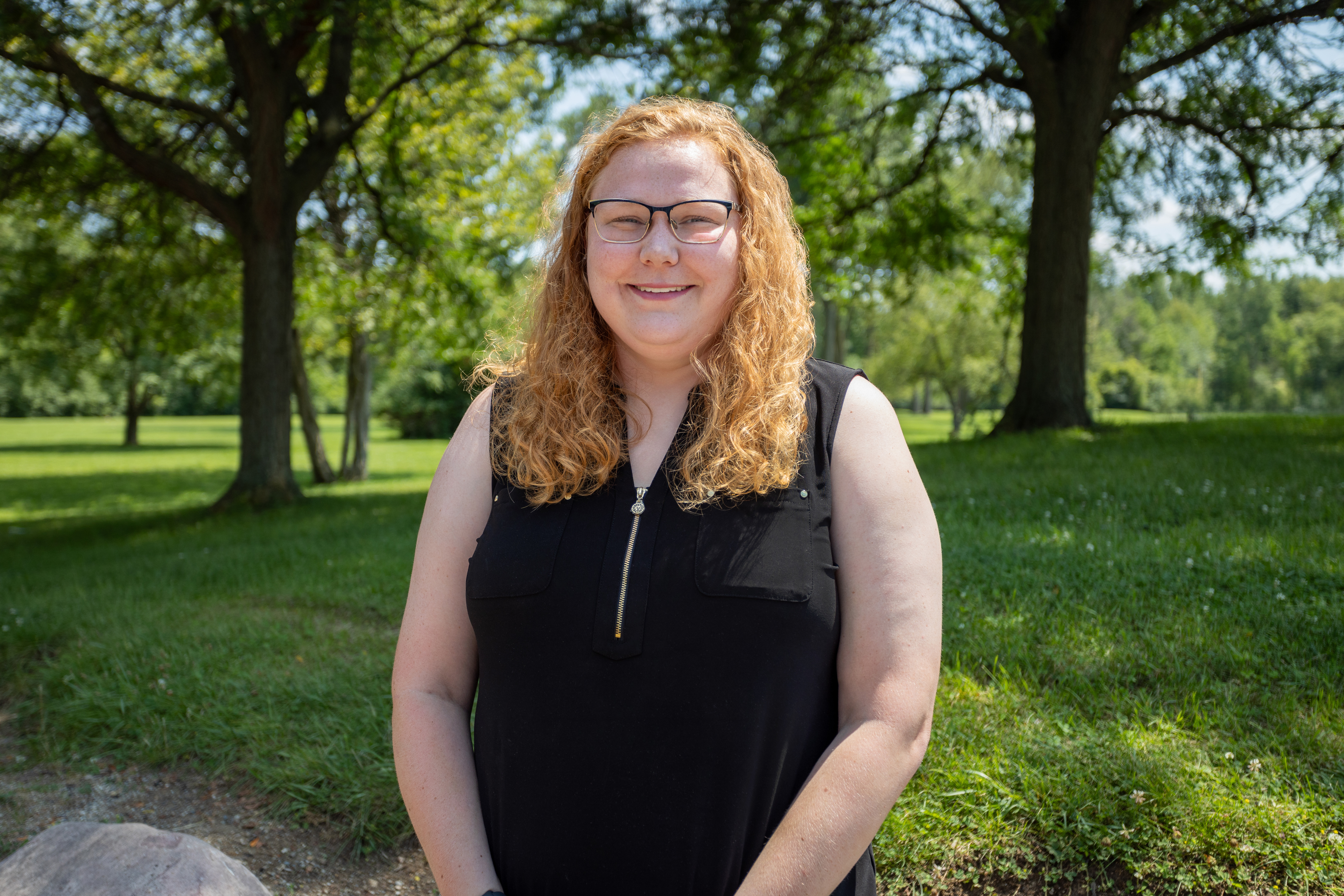
Meet Hannah!
Hannah is the founder and CEO behind Hannah Joy Spectrum Designs. She enjoys crafting, especially when it comes to creating pieces for her business, where she creates custom silverware wrapped with glass beads, platters, wind-chimes, and more! What started as a creative outlet to help manage her anxiety, has given her confidence in everything she does.
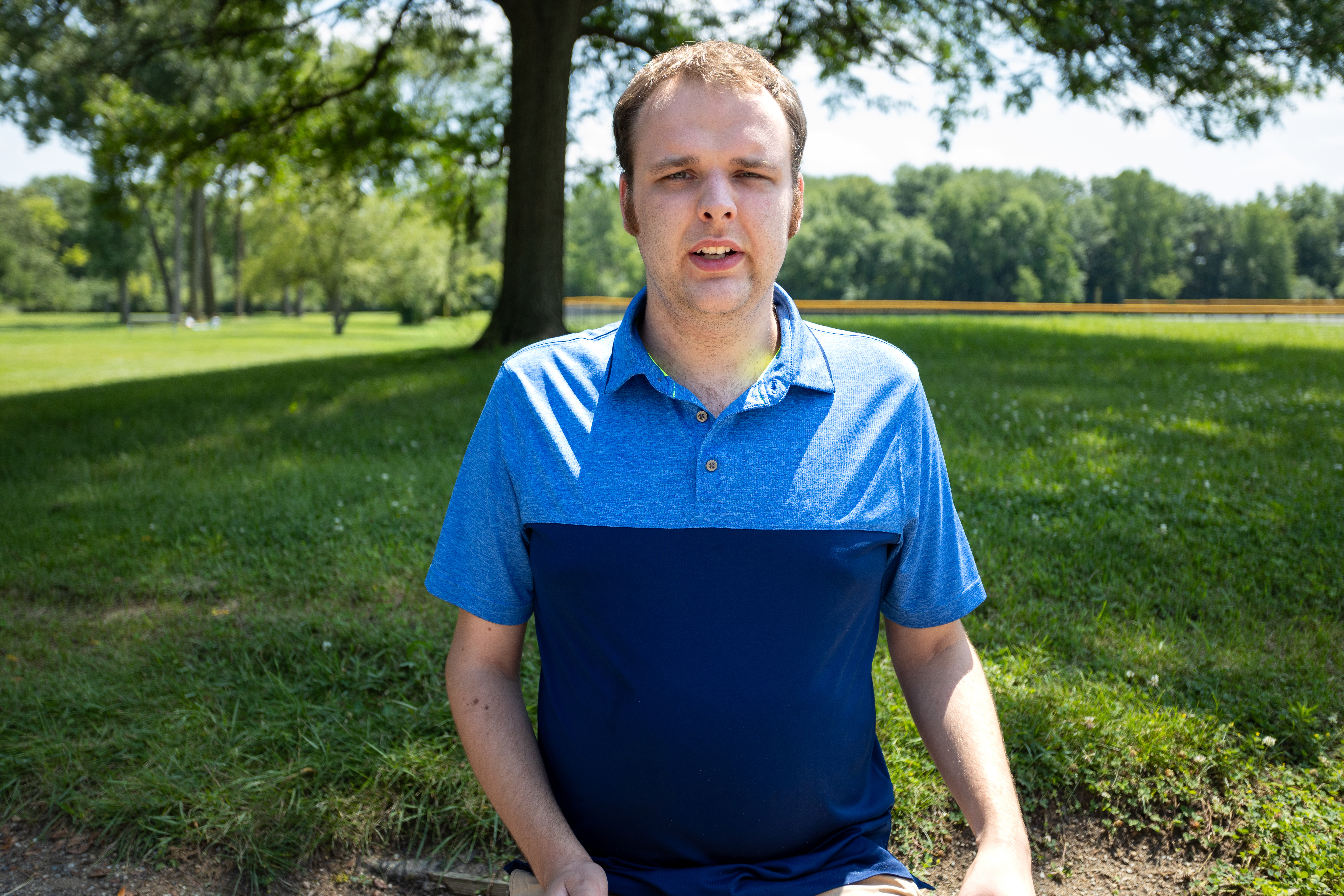
Meet Jacob!
Jacob loves to be outside and can often be found with his Community Living Support (CLS) worker at Clarkston Family Farm. He has become an integral part of the team, recently earning a "staff" shirt, for his dedication to feeding the animals, collecting chicken eggs, and gardening in the greenhouse.
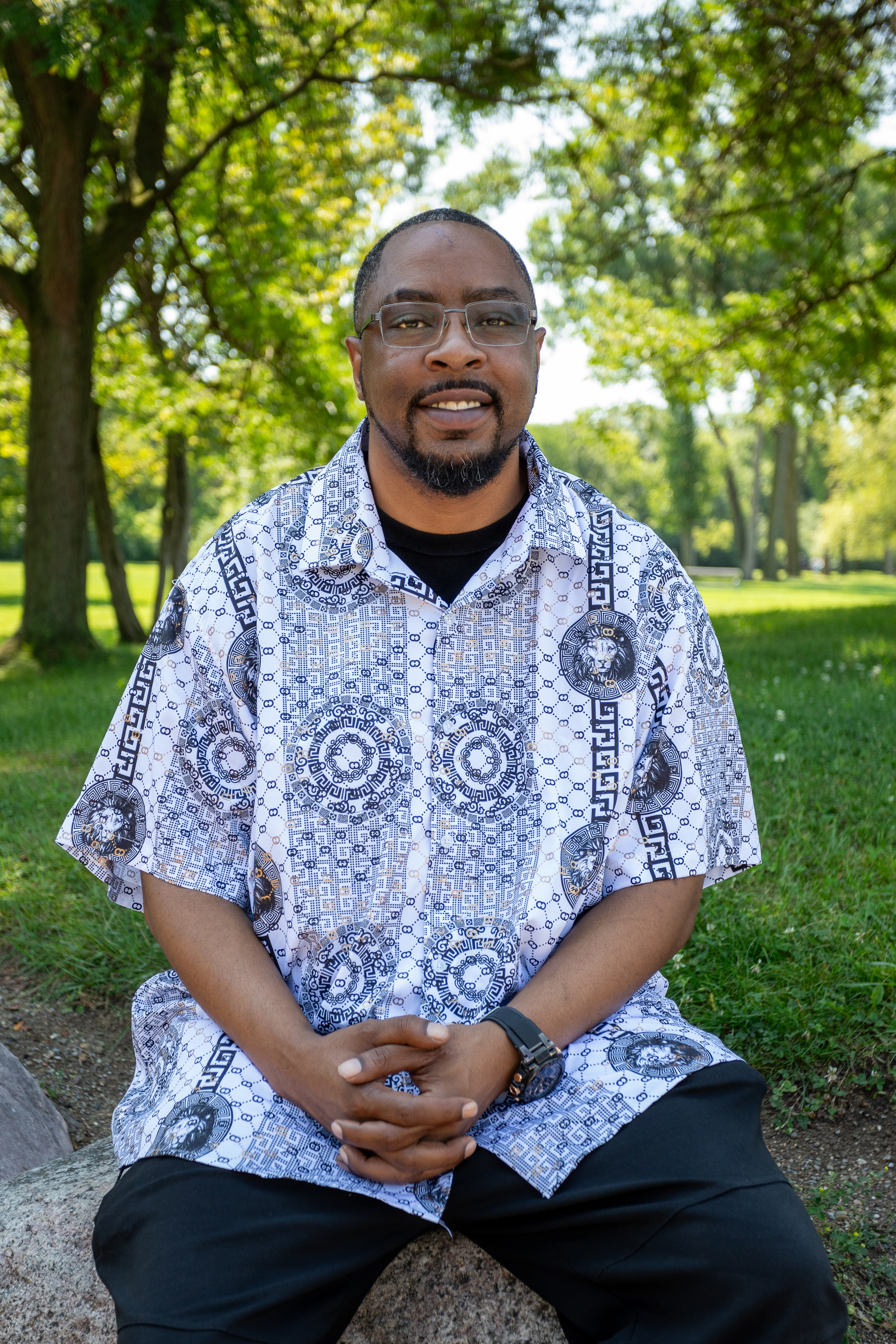
Meet Jimmie!
In his free time, Jimmie enjoys tapping into his creativity and drawing portraits of his friends and family. He is also a Detroit Lions fan and enjoys watching and playing most sports, especially football.
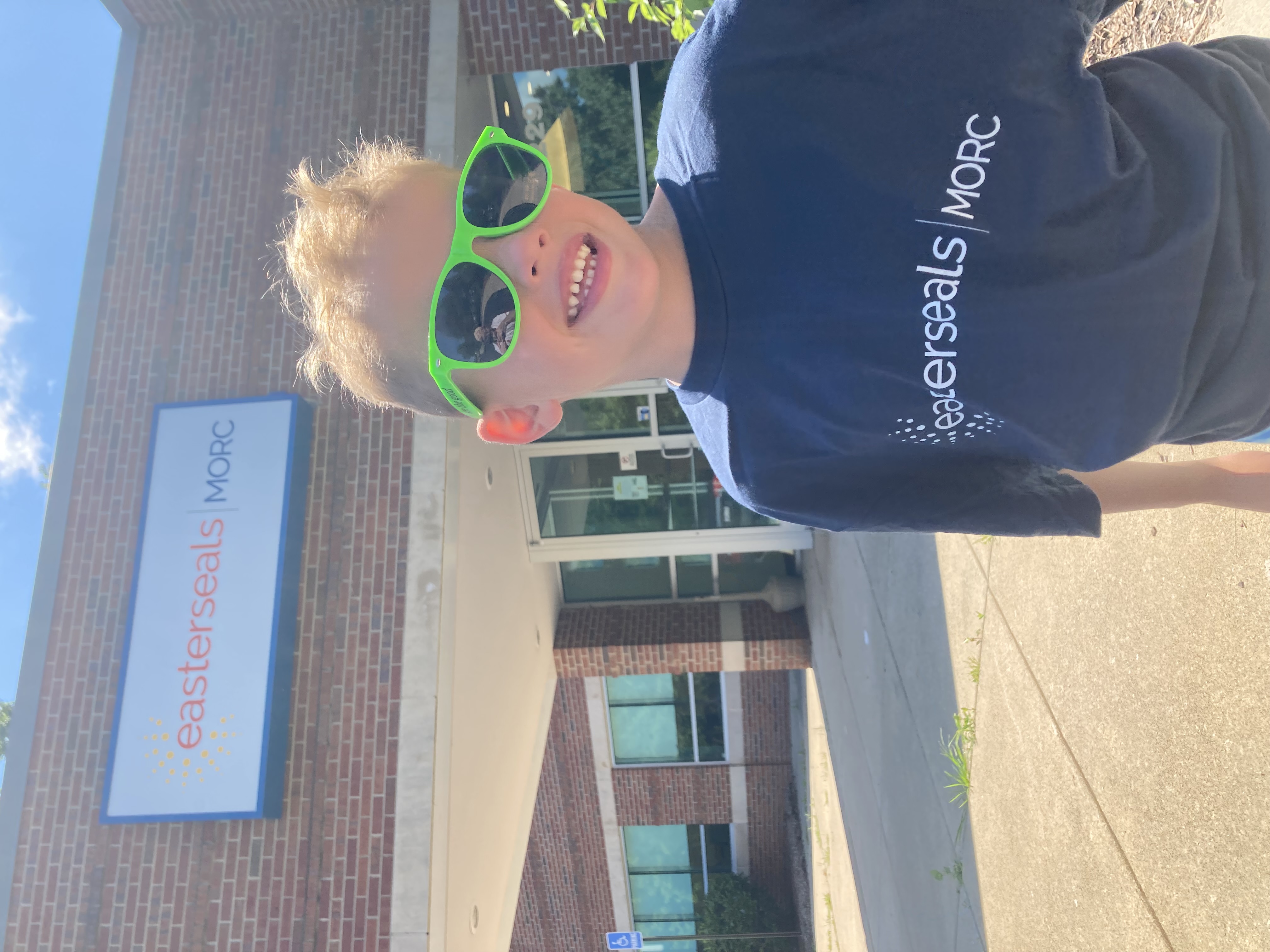
Meet Liam!
Liam’s mother, Courtney, says her son has the best, most infectious smile that makes people he encounters happy. He is a young boy who loves cars, especially Ford Raptors and other pick-up trucks. “Liam is a silly boy and a quick learner,” Courtney said. “Some of his favorite things do to are wash cars, go swimming, and play with his sisters.”
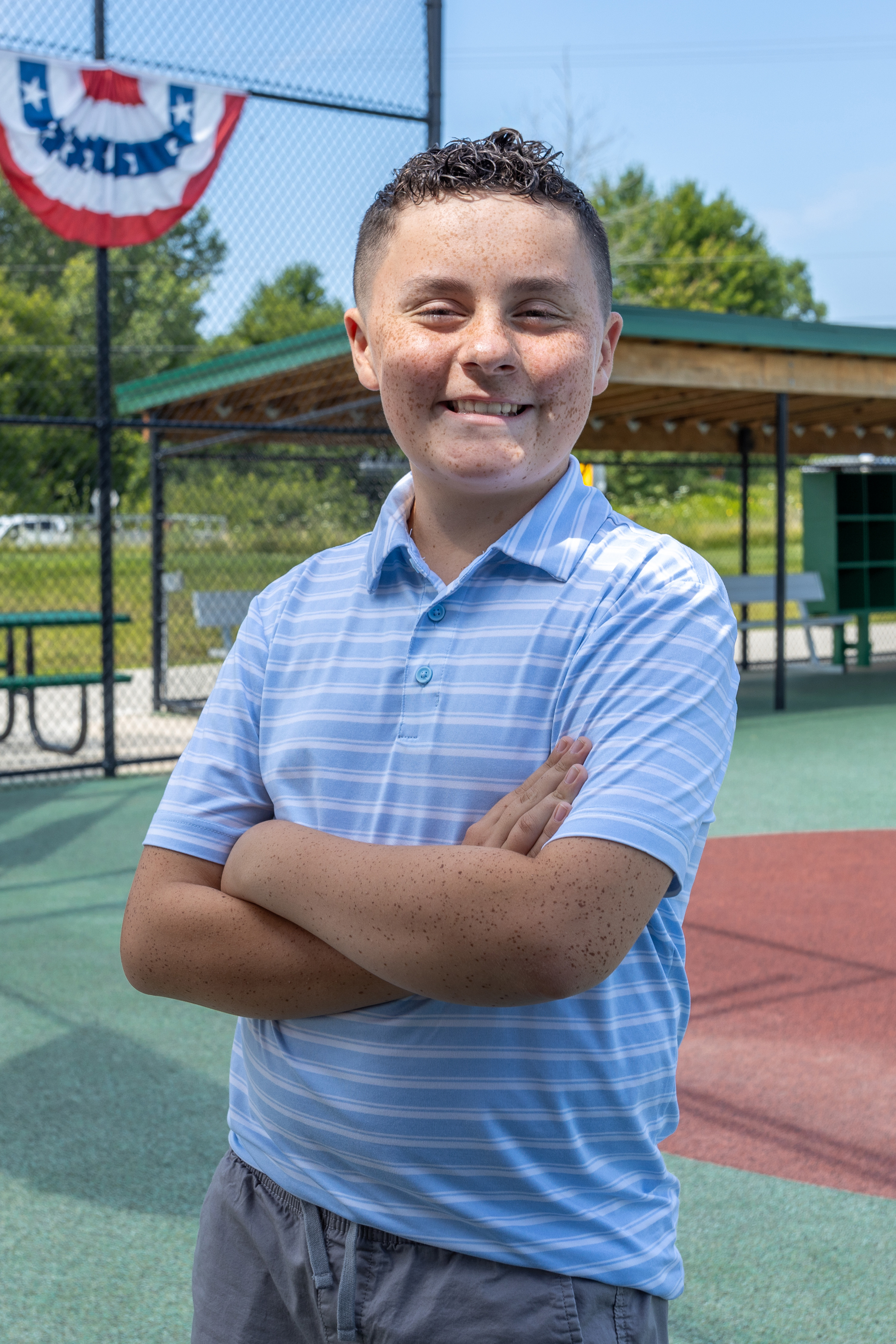
Meet Sam!
Sam loves collecting cars and trains and he enjoys holidays that he gets to decorate and dress up for. His parents, Bryan and Theresa, said their son is a great communicator through his nonverbal expressions. Sam also loves to make people smile, be a helping hand, and spend time playing with his dog, Odie, a Labrador, who loves to play chase and fetch.
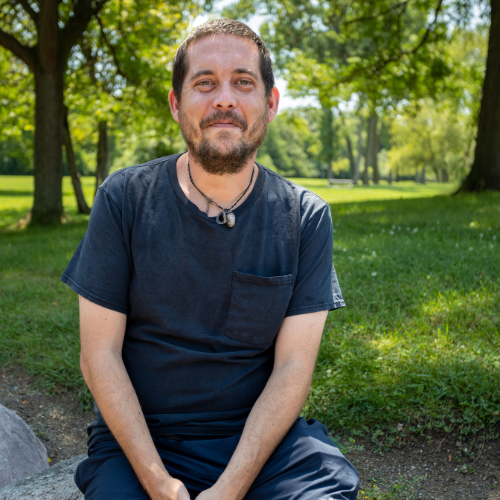
Meet Frankie!
The people in Frankie’s life describe him as a very understanding person who is passionate about making a difference in his community. In his free time, he enjoys playing various video games, and exploring content creation through Twitch, a video game streaming platform.
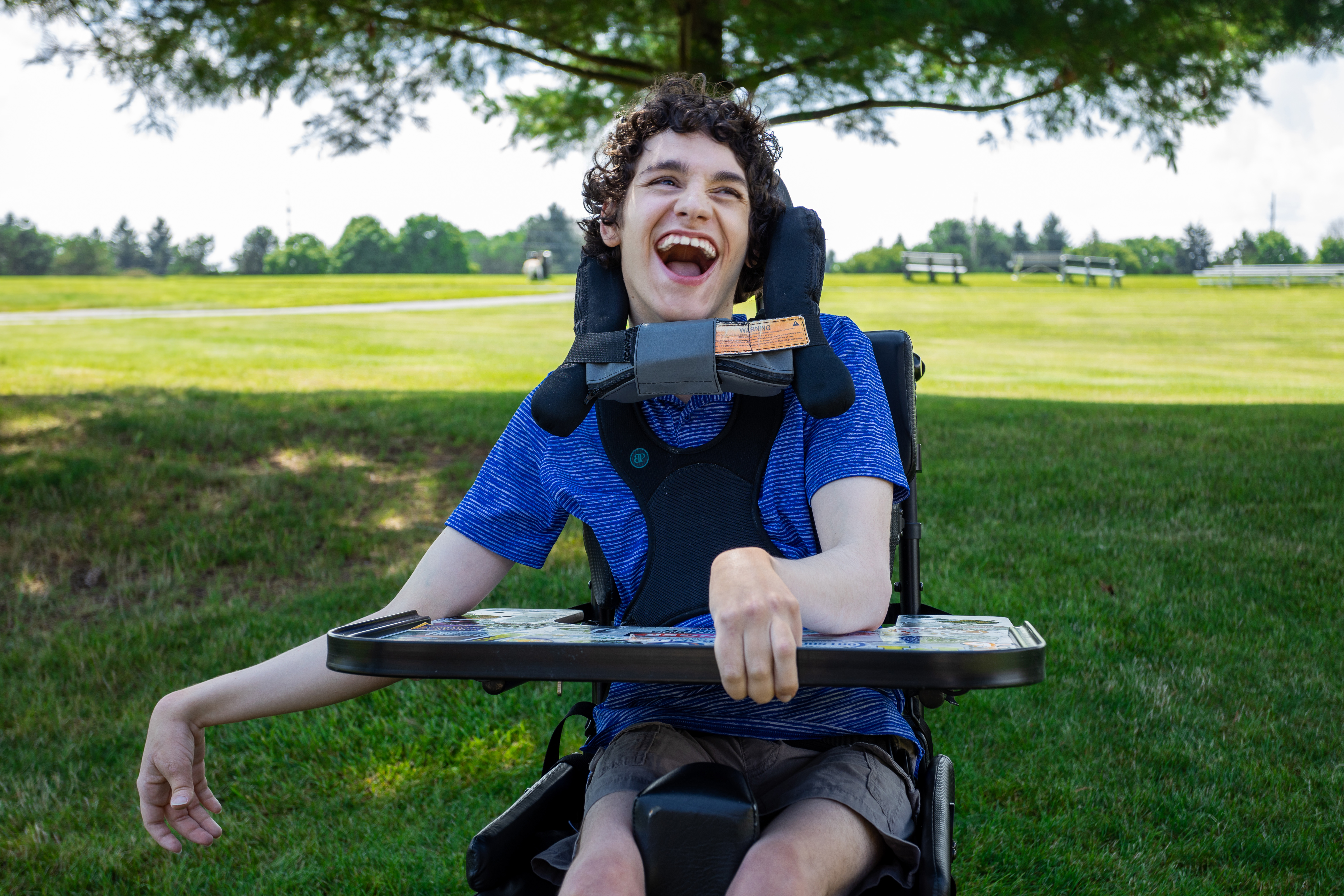
Meet Zander!
Zander’s ability to make other people happy is one of his mom’s favorite qualities. He has been involved with Easterseals MORC’s Miracle League of North Oakland for a little over five years. Zander currently plays summer and fall baseball and bowls with the league in the winter months.
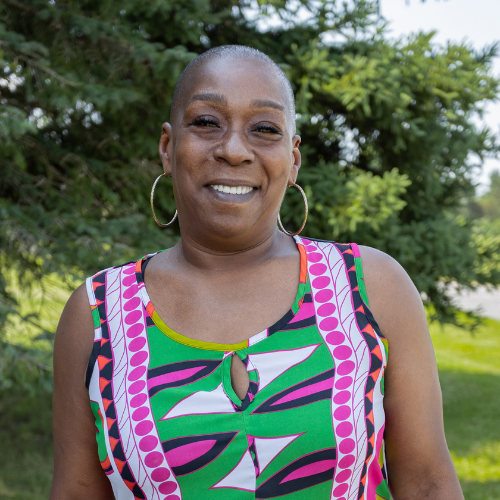
Meet Juanita!
Juanita loves to cook a variety of home cooked meals for her friends and family. When chicken or fish is on the menu, she uses a special homemade batter to wow her loved ones. In her free time, Juanita can be found relaxing, watching her movies or some of her favorite sitcoms, and getting ready for the next day.
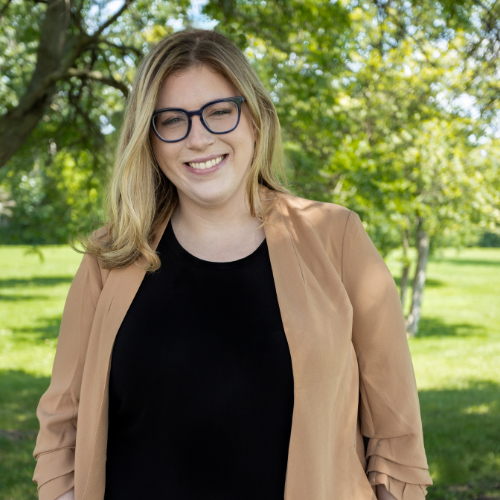
Meet Liz!
Liz isn’t afraid to take on a challenge, even if it is scary. Her friends and family describe Liz as compassionate and empathetic. She loves to explore her creativity by doodling, drawing, and writing. Liz also loves to read, play piano, organize her apartment, and watch a good movie, series, or documentary. In her free time, she enjoys going to concerts and comedy shows, and spending time with friends and family.
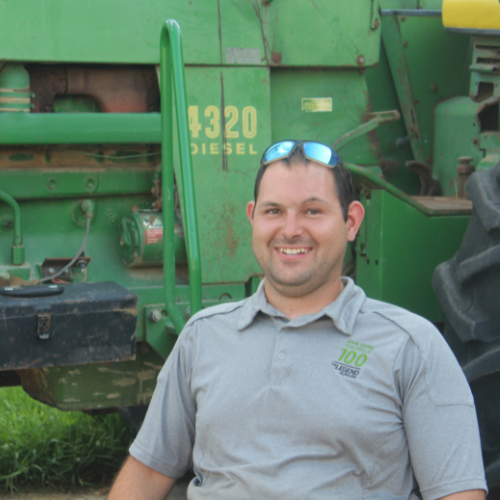
Meet Cade!
Cade is a young farmer who enjoys any activity where he gets to spend time outdoors. In his free time, he likes to go hunting, fishing, and work on various landscaping, gardening, and construction projects. He also likes to play pickleball and learn more about investing. Cade’s friends, family, and peers describe him as kind, hardworking, ambitious, and eager to learn more.
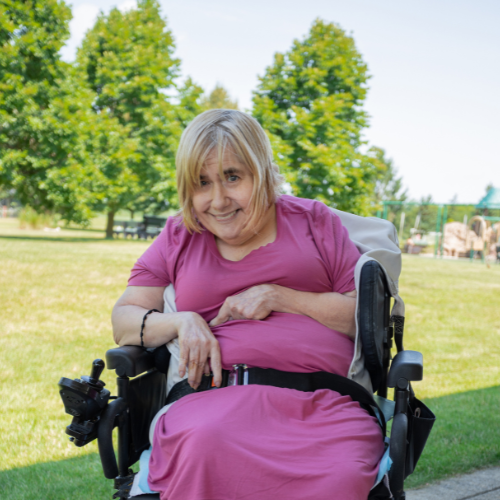
Meet Amie!
Amie is a very friendly and outgoing individual who loves to talk to people, be a listening ear, and advocate for individuals with disabilities to ensure their rights are honored. She also enjoys music, playing on the computer, and is a frequent shopper.
Our Featured Programs

Autism Services
Easterseals MORC offers a wide array of autism services including ABA therapy, the PLAY Project, speech and language therapy, occupational therapy, sensory integration therapy and more!
Read More
Certified Community Behavioral Health Clinic
Easterseals MORC’s Certified Community Behavioral Health Clinic (CCBHC) provides a comprehensive array of services necessary to create access, stabilize people in crisis, and provide the appropriate treatment for those with substance use and mental health disorders. These services are provided regardless of ability to pay or insurance status. In crisis and need help now? Call 1.800.231.1127 ¿EN CRISIS Y NECESITA AYUDA AHORA? Llama 1.800.231.1127 في أزمة وتحتاج إلى مساعدة الآن؟ يرجى الاتصال 1.800.231.1127
Read More
Infant Mental Health
Infants and children who experience chronic stress or trauma are four times more likely to develop a mental health disorder by the time they reach adulthood than children who did not experience emotional trauma in childhood. This program includes prevention, screening, early intervention and treatment services for children and their parents/caregivers.
Read MoreWhen you make a donation to Easterseals MORC, you help strengthen our mission to ensure everyone — regardless of age or ability — is fully included and empowered.
